The Wildflower Script for Modern Design
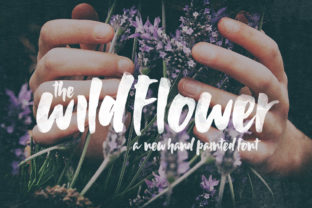
Imagine a font that dances across the canvas, each letter blooming with a unique, adventurous spirit. This is the realm of Wildflower, a stunning script typeface that brings a rare and captivating beauty to any creative project. From a professional graphic design perspective, it represents more than just a font—it's a powerful visual asset that can transform communication and elevate brand perception.
In today's crowded visual landscape, effective branding hinges on distinctiveness. A typeface like Wildflower offers an immediate point of differentiation. Its organic, flowing forms carry an emotional resonance that static, geometric fonts often lack. This quality makes it an exceptional choice for projects where personality, artistry, and a touch of nature need to be communicated.
Practical Applications in Visual Design
The versatility of a well-crafted script extends across numerous design disciplines. Wildflower's unique character allows it to adapt while maintaining its core aesthetic, making it a valuable tool in a designer's toolkit.
Strengthening Brand Identity
For logo design and brand identity systems, a script font can serve as a memorable anchor. Wildflower’s adventurous strokes can embody a brand’s story, suggesting creativity, freedom, or organic quality. When paired with a complementary sans-serif for body text, it creates a balanced and dynamic visual hierarchy.
Consider its use in:
- Logo design: For boutique brands, artisan products, or lifestyle companies.
- Marketing materials: Elevating brochures, flyers, and direct mail with elegant headlines.
- Packaging design: Adding a handwritten, crafted feel to product labels and boxes.
Enhancing Digital & Editorial Experiences
In digital marketing and UI design, typography directly impacts user engagement. While scripts are typically used sparingly for headlines or callouts, Wildflower can draw attention to key messages on a website, in social media graphics, or within app interfaces. Its beauty creates focal points that guide the user's eye.
In editorial design—for magazines, blogs, or books—it can grace titles and pull quotes, injecting visual interest into layouts. The key is ensuring readability by using it at appropriate sizes and with sufficient contrast against backgrounds.
Integrating Wildflower Into Your Design Workflow
Selecting and using a decorative typeface effectively requires thoughtful strategy. It’s not about simply applying a pretty font; it’s about integrating it purposefully to serve the design goals.
First, evaluate its compatibility with your existing or intended color palette and imagery. Wildflower’s organic nature often pairs well with natural textures, soft gradients, or minimalist photography. Second, consider scalability. Ensure the font remains legible and retains its charm when scaled down for mobile screens or up for large format prints like posters.
Maintain consistency by defining its specific role in your visual system. For example, decide it will be used exclusively for main headlines in advertising campaigns or for the brand name on merchandise like t-shirts and notebooks. This prevents visual clutter and strengthens brand recognition.
A successful modern aesthetic often blends contrasting elements. Pairing Wildflower with clean, modern sans-serif fonts and structured layouts creates a tension that feels both contemporary and artistic. This approach works beautifully in professional presentations, digital product interfaces, and advertising campaigns where you need to stand out.
Ultimately, the choice of a creative asset like the Wildflower script is a commitment to a specific visual voice. It reminds us that thoughtful design choices—in typography, color, and composition—are fundamental to not just aesthetics, but to clear and resonant communication. Investing in quality design elements that carry genuine character can transform a simple message into an unforgettable experience, building deeper connections with your audience.